ポスターをクリックすると拡大表示します。ポスターデータをダウンロードすることも可能です。
Q1
Did you know that Hojo Ujiteru left behind a lot of things that are still connected to modern-day Hachioji?
Answer
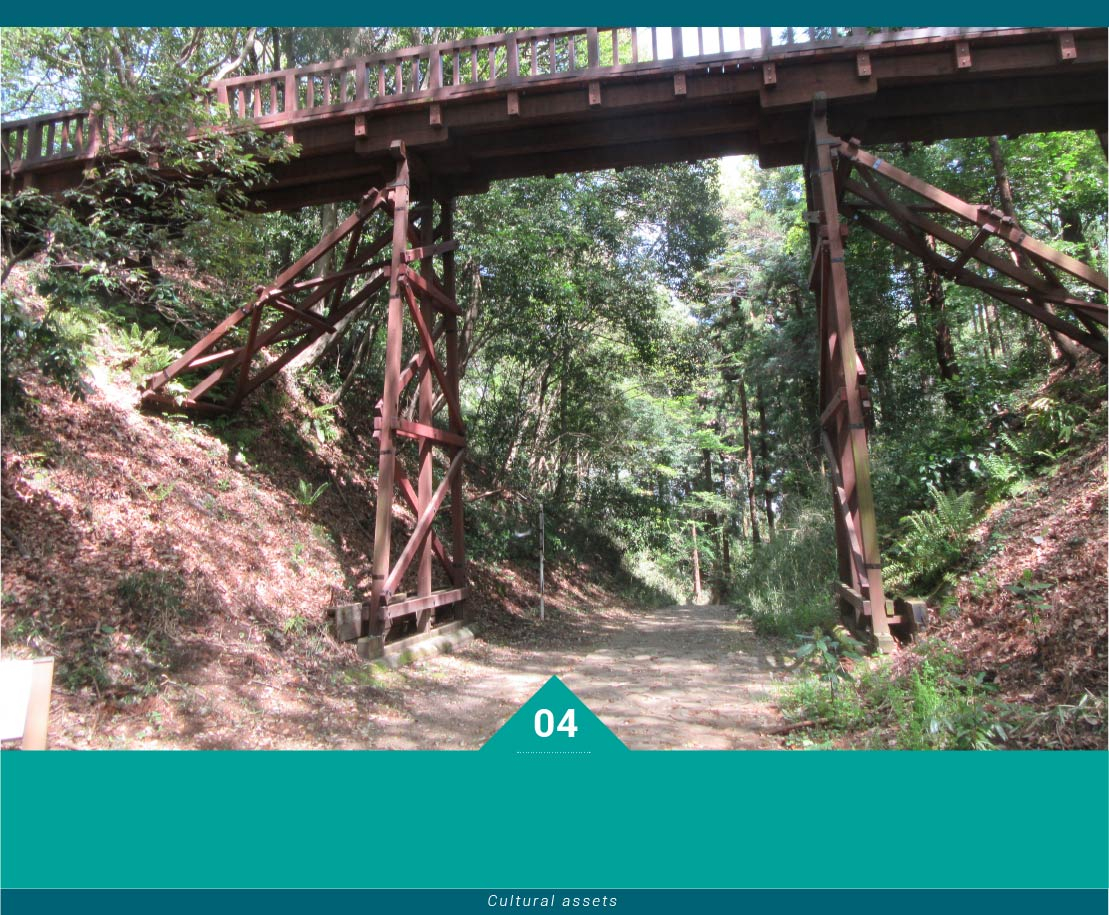
The achievements of the Sengoku-period warlord Hojo Ujiteru—from the place name “Hachioji” to the foundations of the textile industry and cultural traditions such as the lion dance—are still evident throughout modern-day Hachioji.
Explanation
The achievements of the Sengoku-period warlord Hojo Ujiteru are still evident today in the name, industries, culture, and natural environment of modern-day Hachioji.
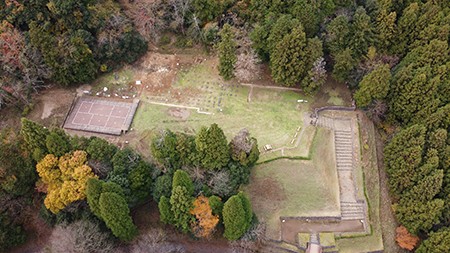
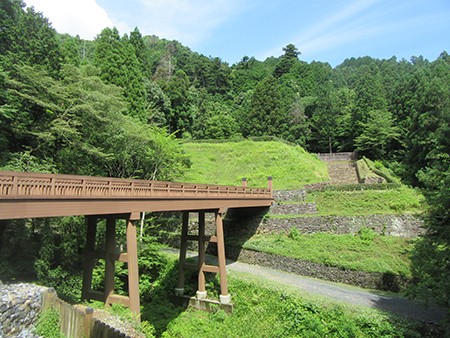
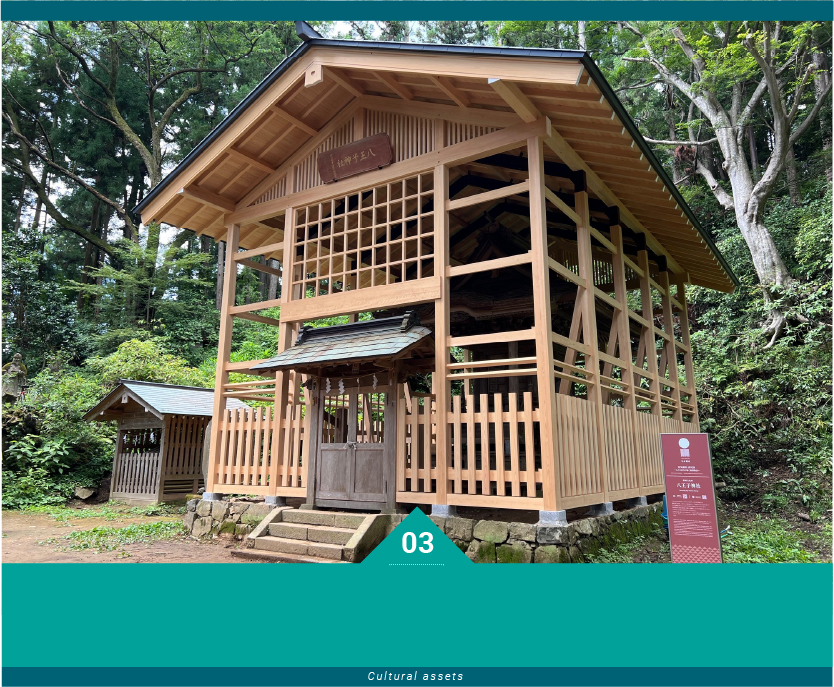
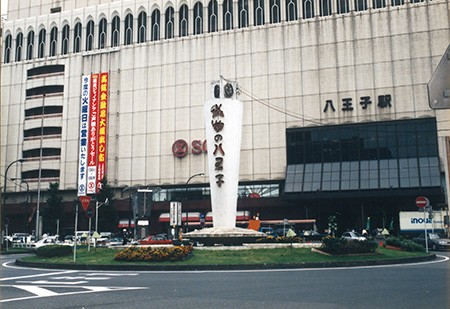
First, it is said that the place name “Hachioji,” which we use in everyday speech, derives from the fact that when Ujiteru built Hachioji Castle, he enshrined the “Hachioji Gongen”—a deity that had resided in the mountains—within the castle grounds as its guardian deity.
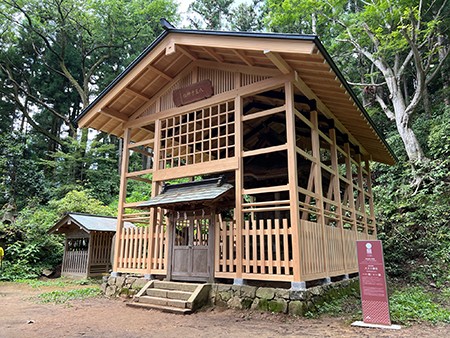
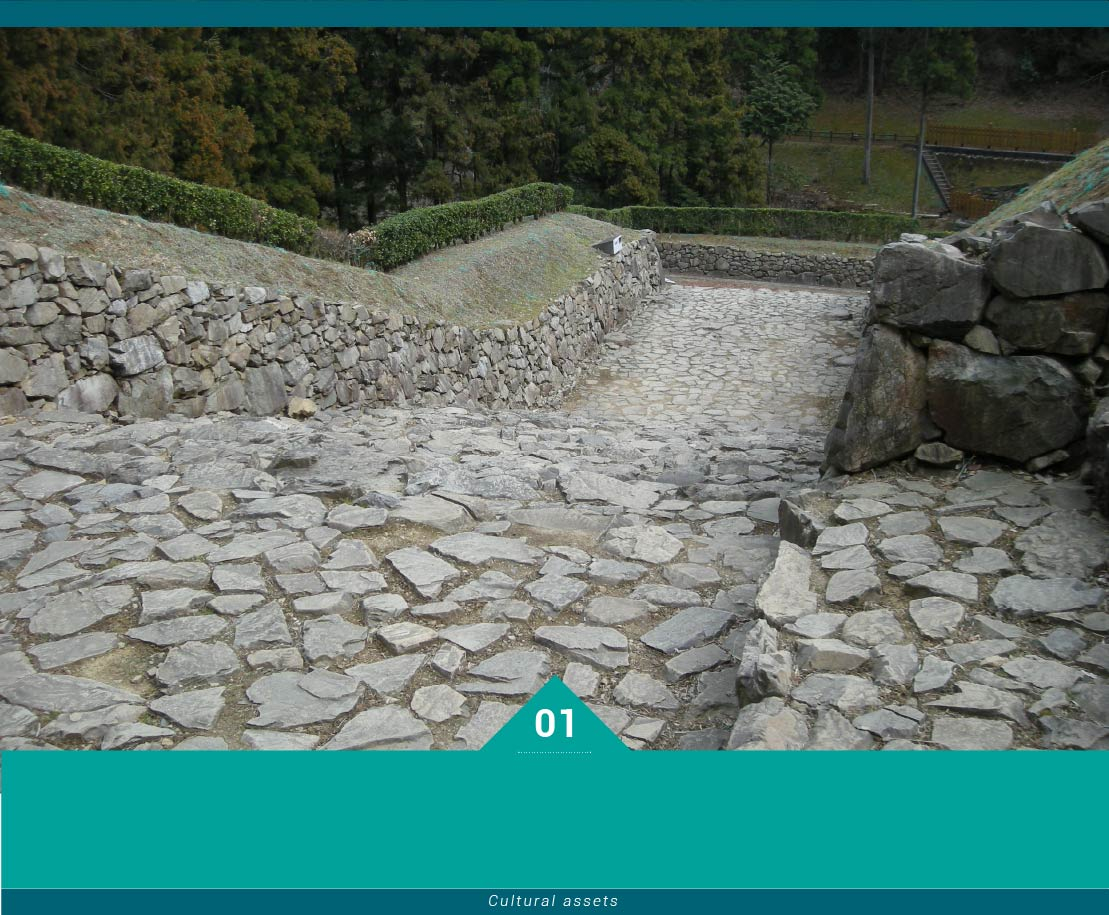
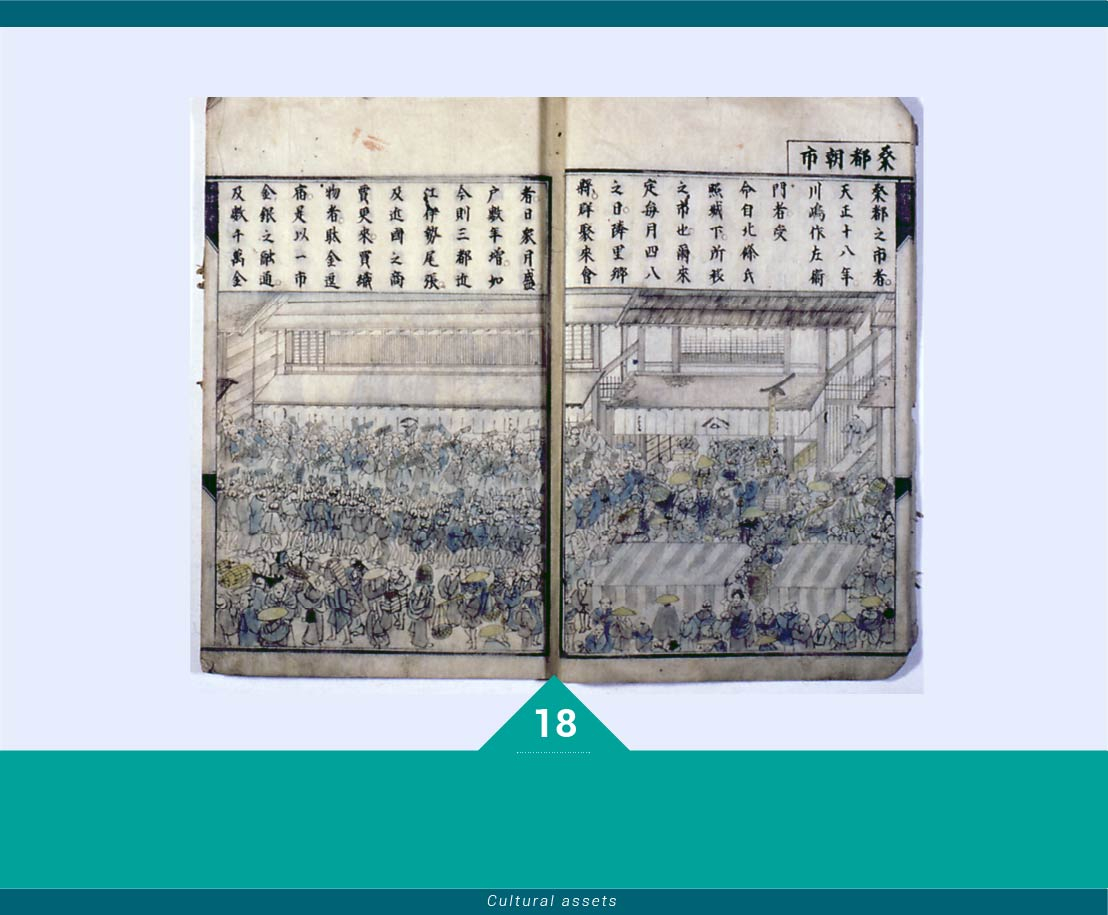
In terms of industry, the “ichi” (market) established by Ujiteru in the town surrounding Takiyama Castle, where textiles and other goods were traded, played a significant role.
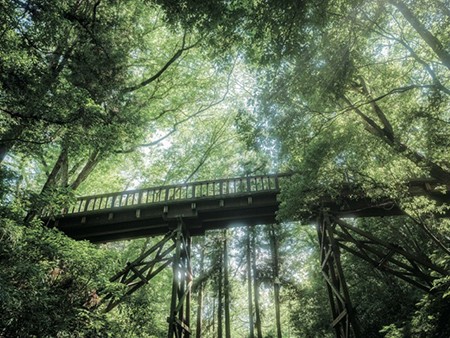
This market eventually gave way to Hachioji-juku, laying the economic foundation for its development as the largest post town along the Koshu Kaido and as a hub for the silk textile trade.
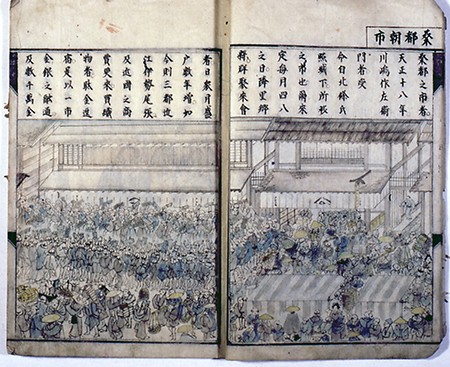
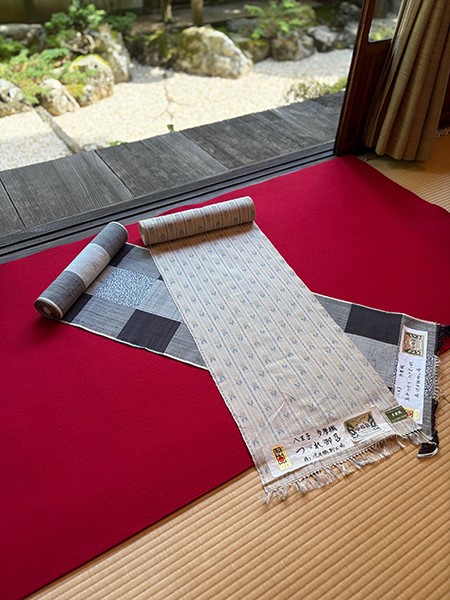
It is precisely because of this foundation that Hachioji has flourished as a “textile town” and nurtured the tradition of Hachioji textiles. The traditional craft known as “Tama-ori” is a technique that has been passed down over more than a century of history.
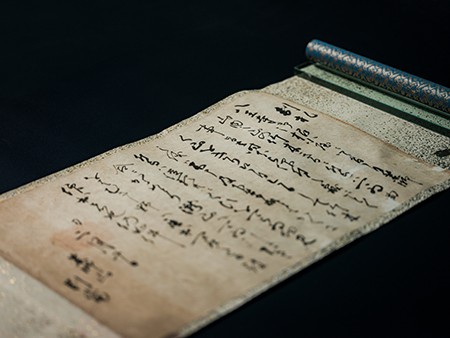
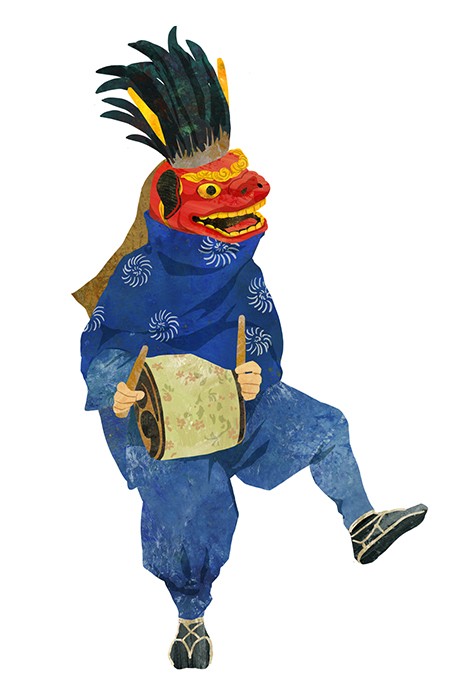
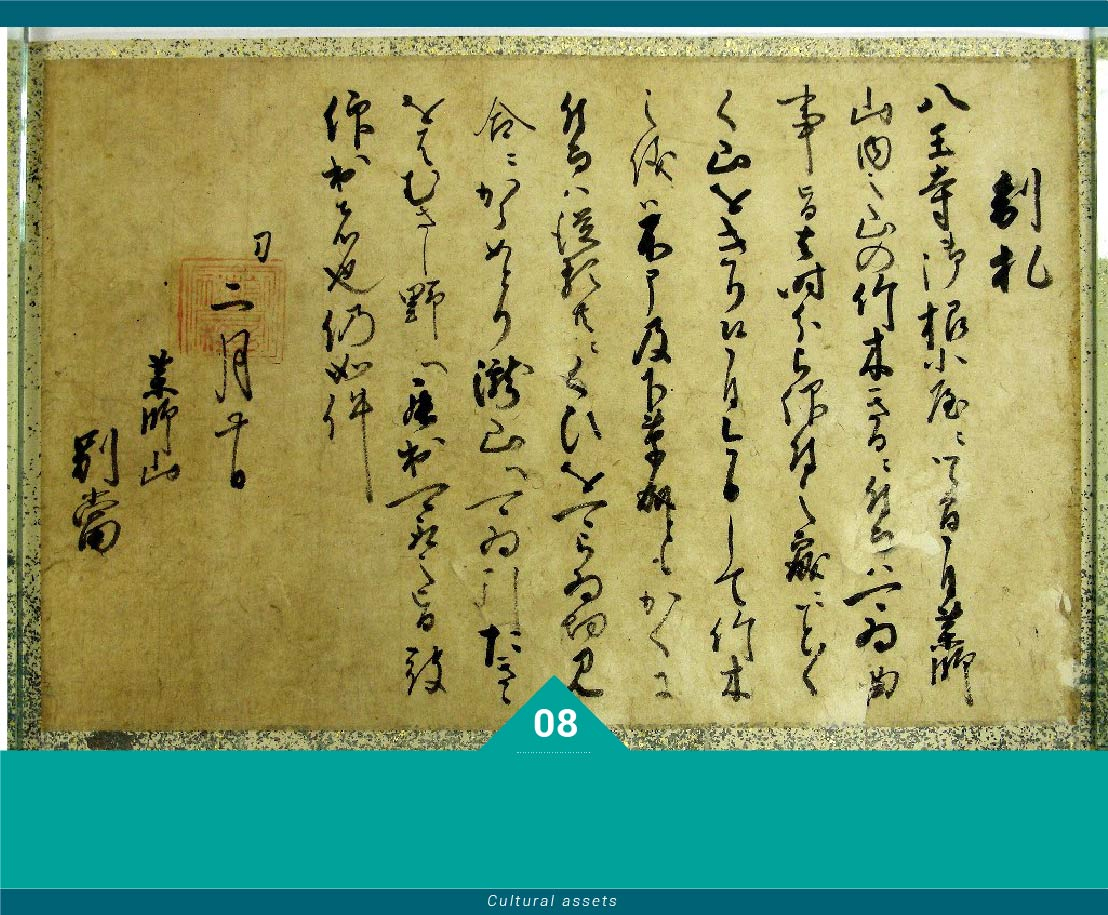
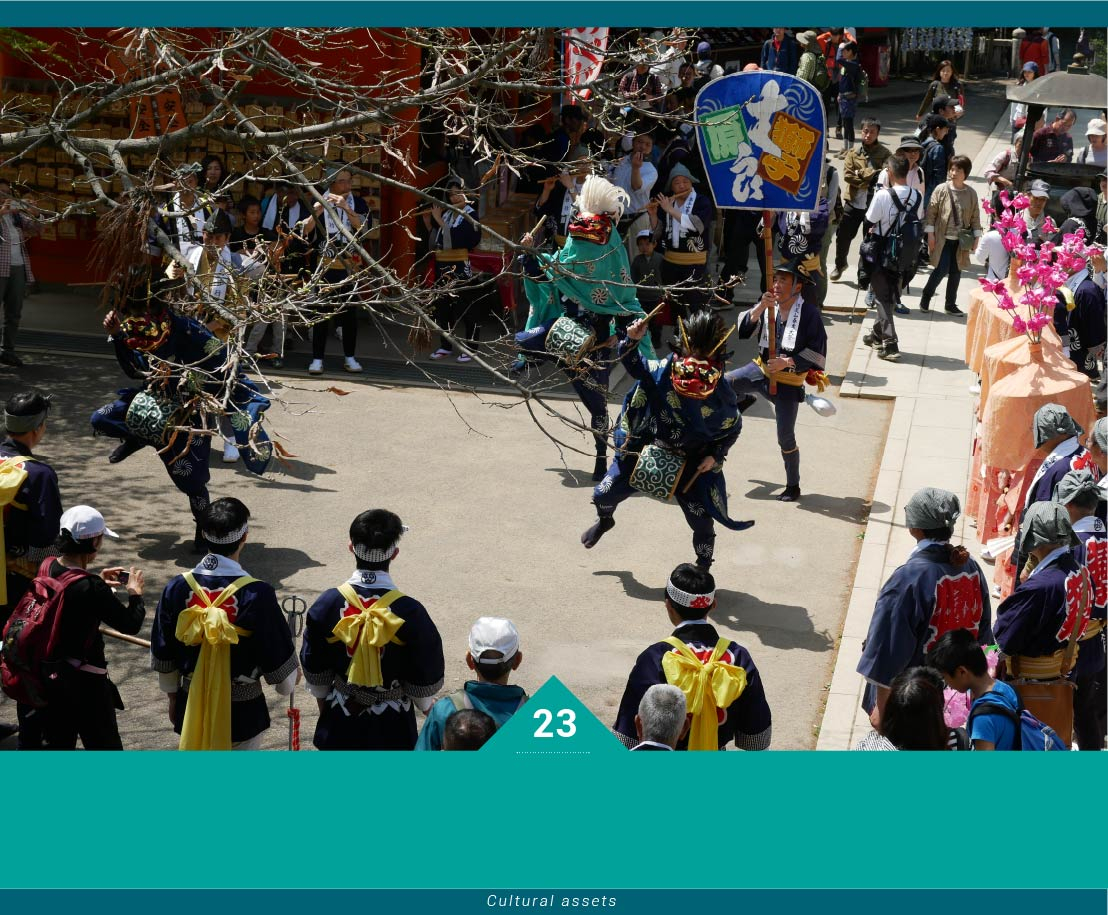
Ujiteru also left his mark in the cultural sphere. A master of the transverse flute, he is said to have donated the “lion heads” used in the lion dance, a tradition that is still cherished and performed in the region today.Furthermore, Ujiteru issued a document prohibiting the cutting of bamboo and trees within Mount Takao. Such strict regulations, which have been in place since the Warring States period, may be one of the reasons why the rich natural environment—which now attracts visitors from all over the world—has been preserved.